1
Mycology
5006 readers
1 users here now
founded 4 years ago
MODERATORS
2
3


Obligatory reminder to not eat things you harvest yourself unless you're 100% positive on ID. Join your local society if you want to learn!

4
5
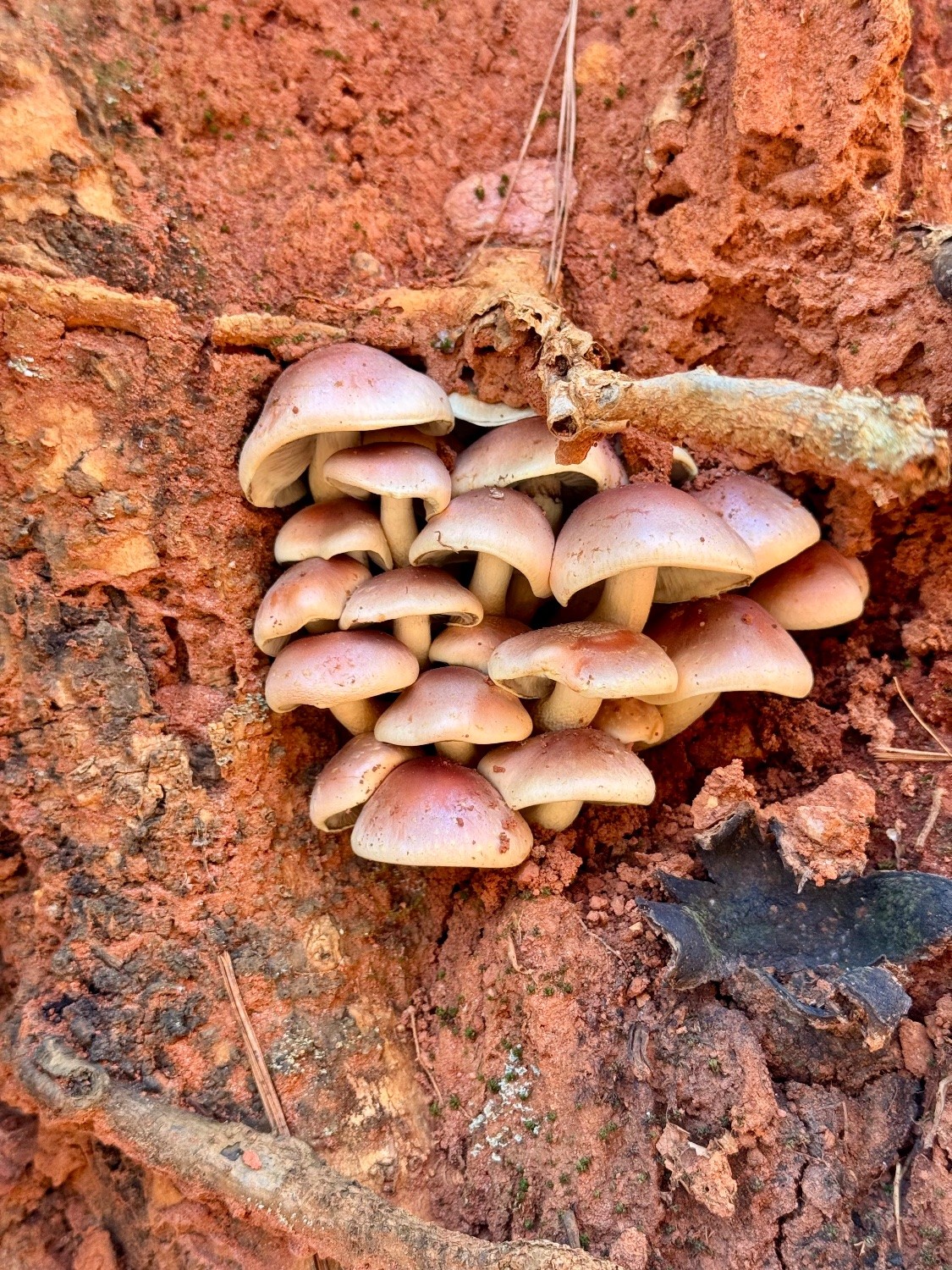
Found in Southwest North Carolina. They were all over the exposed root of a fallen tree, was really impressive to see.
If anyone is familiar I’d appreciate an ID for my own curiosity.
7
1
Yellow Umbo (psil. ochraceocentrata x psil. cubensis) showing uniquely beautiful bruising patterns
(feddit.org)
All in all very pleased with this strain.


9
Have wanted some houseplants for my office at home, but it gets practically no light and every plant I have tried has suffered there. Decided to try a "decorative" mushroom instead. Figured the lower degree of natural light will be less detrimental.
This is Oregon Reishi (Ganoderma oregonense). Mixed a colonized bag of millet grain spawn into a sterilized bag of wood-based substrate on 10/31/2025, used impulse sealer to close mixed bag. Substrate bag was fully colonized by 11/05/2025. I used isopropyl to clean some pottery, opened the colonized sub bag, and packed the sub into each pot. Placed the loaded pots into a monotub which has a layer of perlite in it and a water/peroxide solution (didn't measure, just eyeballed it, much more water than peroxide). Set the monotub on top of a kitchen cabinet.

Once a day I went up and just briefly popped open the top to give a gush of fresh air. There are filtered holes in the lid for passive air movement, but I figured a quick open wouldn't hurt, especially after I could see that the mycelium had grown over the upper crust of the substrate. As needed, I topped up water in the tub and also added a splash of peroxide. Took until ~11/17/2025 for some lumps to start forming at the top of the pots.

When I checked Thursday 11/20/2025, those lumps had risen considerably from where they had been, and I saw orange pigmentation beginning to spread.

Just today (11/21/2025) when I went to check, pores have now formed on some of the larger lumps.


Gonna let these hang out in the monotub until they reach the tub's ceiling, then move one into my office and see how it does in there. The rest I will divvy out to interested friends and family c: I figure they will dry out eventually, but I hope when they do that they retain their shape and sorta just become dried "arrangements".

10
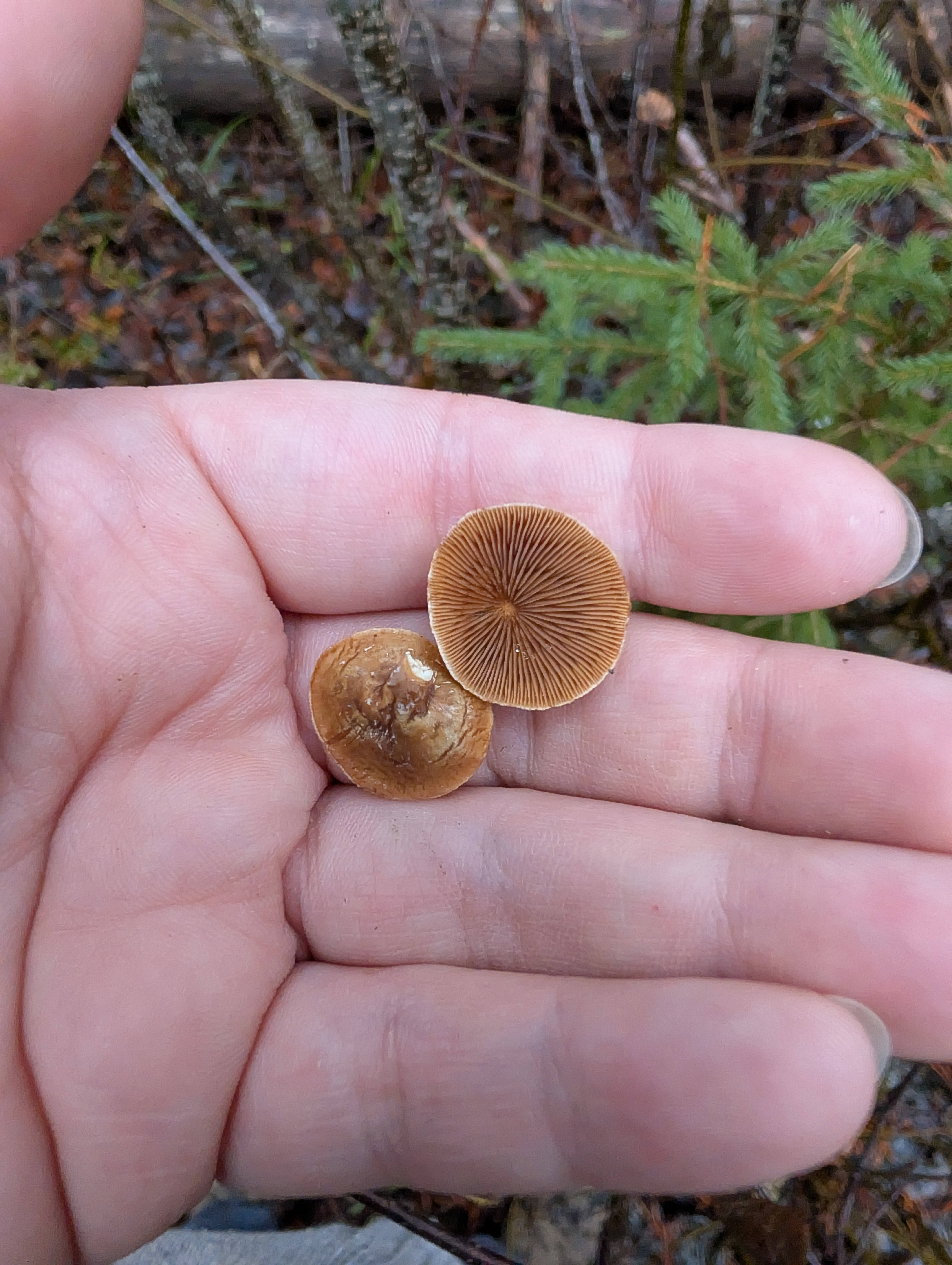
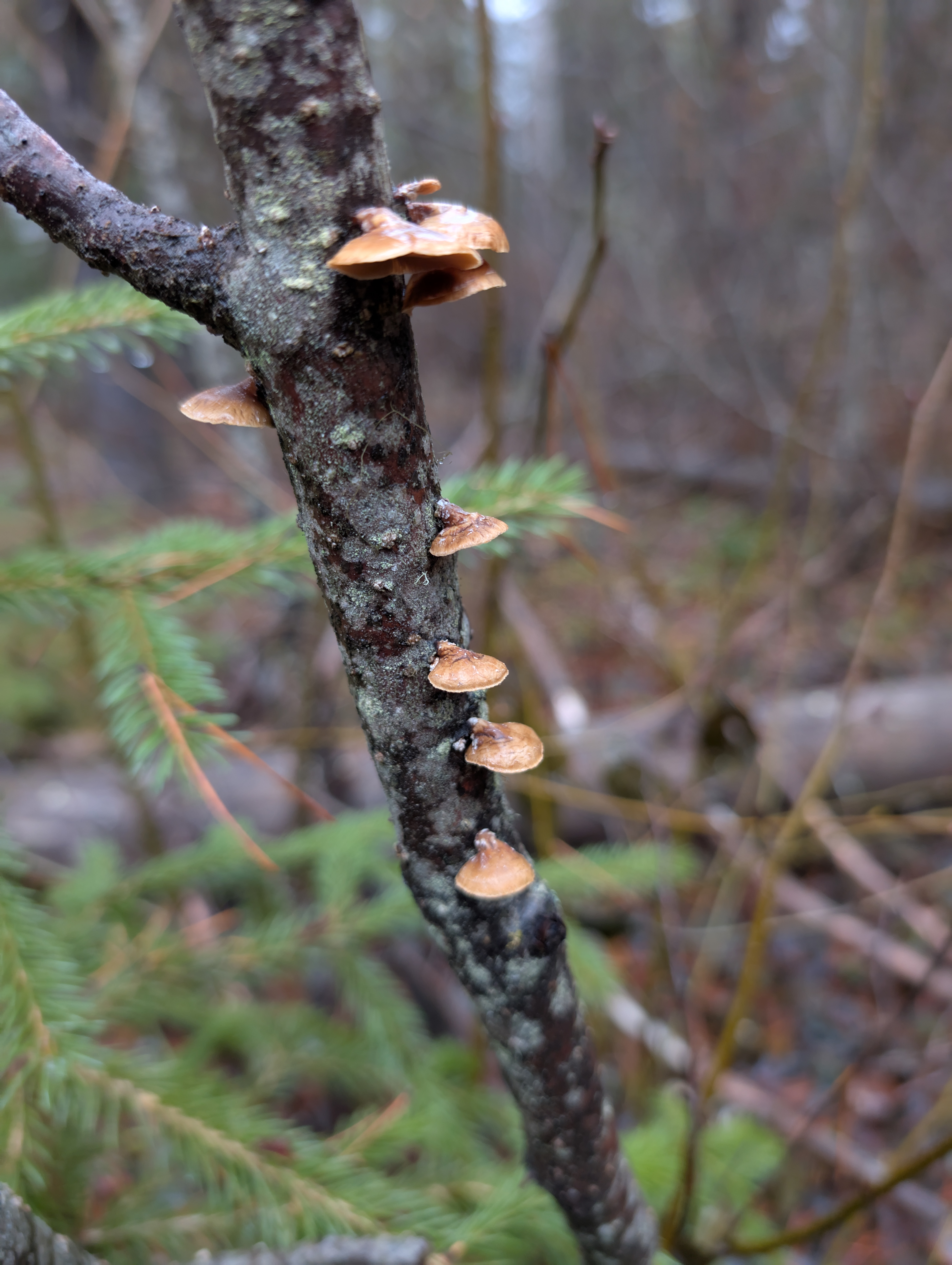
With the winter coming to Indiana finding mushrooms dies down but I came across these guys the other day. Definitely a Tricholoma but not exactly sure on species, do not know much about this genus. Leaning towards Tricholoma portentosum but could be a Grey Knight. Welcoming input and I did not grab a gill shot.

11

13
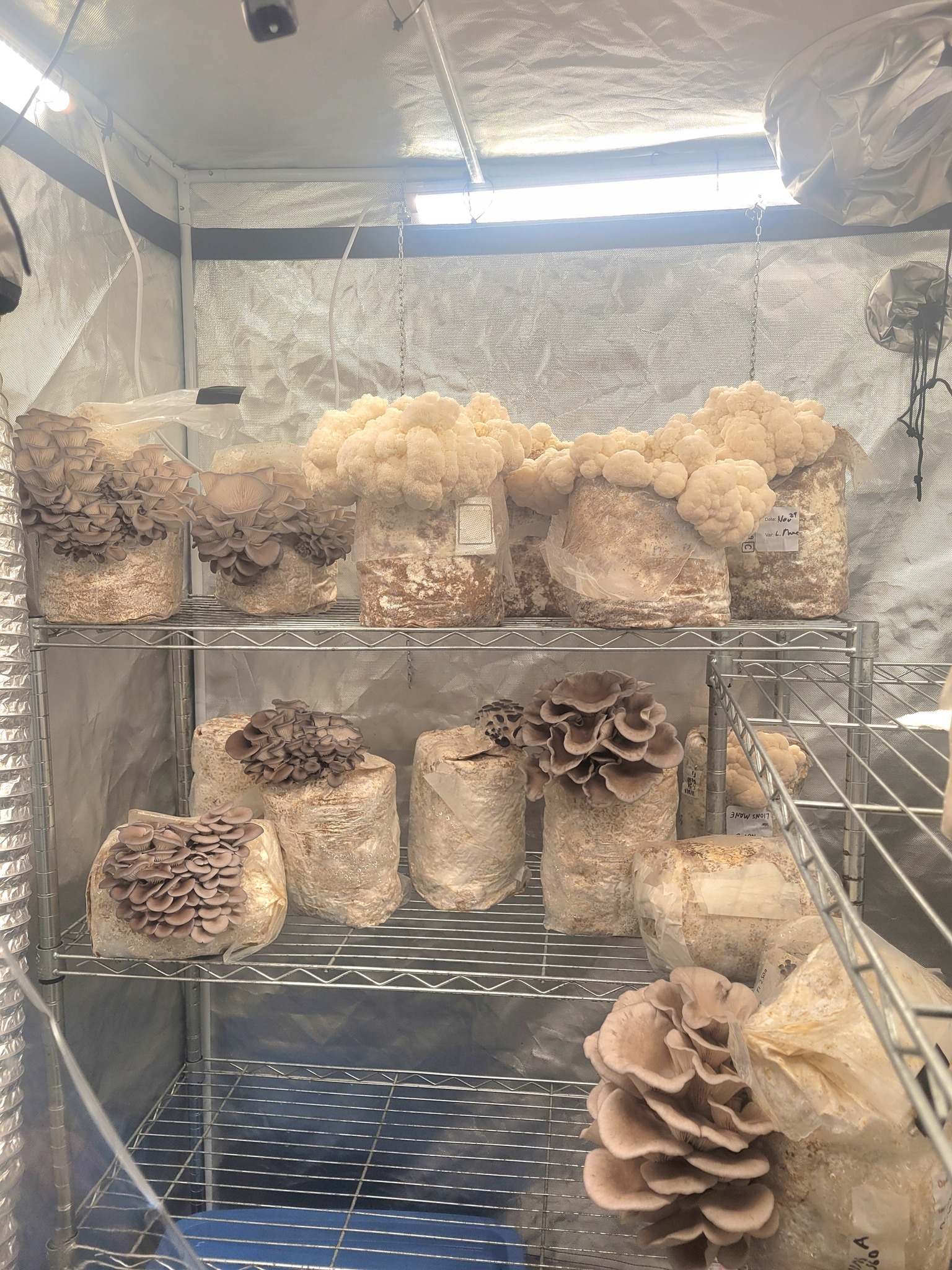
I usually don't grow in the summer due to the heat and I'm struggling to get my ass in gear for this winter. I usually have about 4 varieties I grow, blue oysters, pinks, lion's mane and pioppinos.
14
15
I have no idea what's the name of this one.
Edit: Thanks to the info from @rozlav@lemmy.blahaj.zone, this is the Stropharia caerulea, commonly known as the blue roundhead.
Edit2: Another update on what we are looking at thanks to @oftheair@lemmy.blahaj.zone: It might also be Stropharia aeruginosa, commonly known as the blue-green stropharia




20
Species is the olive shaggy parasol Chlorophyllum olivieri.

I like how they look like cake pops before they open up


21
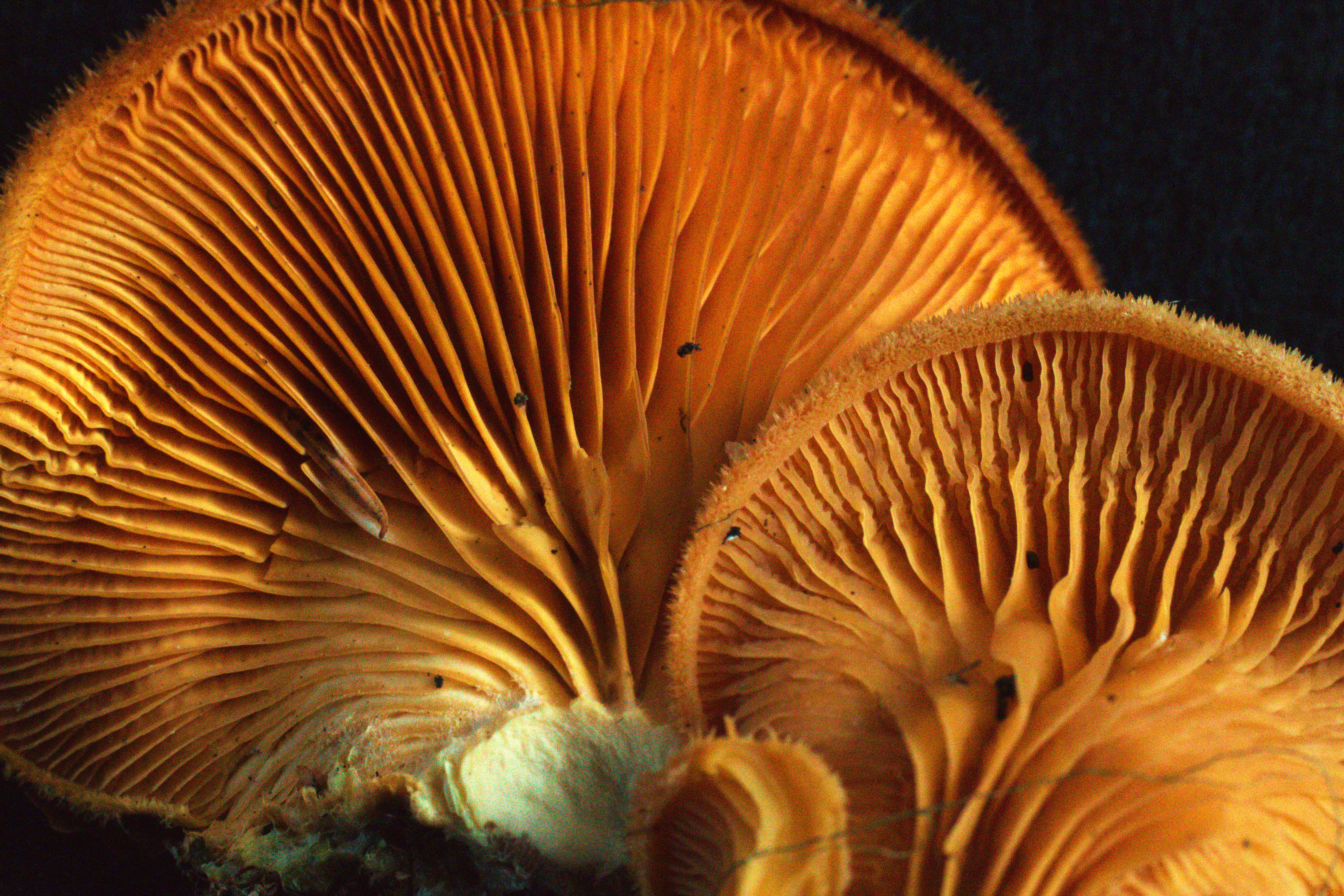
From below you can really see the nice contrast between the pale gills and blue everywhere else


This mushroom is an Entoloma in the subgenus Leptonia, probably something like Entoloma subeuchroum or Leptonia subeuchroa if they decide to split Leptonia into its own genus as mycologists have been discussing.

22

Host is a crack-cap bolete (Xerocomellus diffractus). The mold is either Hypomyces chrysospermus or Hypomyces microspermus, you can only tell them apart under a microscope.

23
We're in the UK, and the soil was purchased from a UK supplier, but no telling where it's actually from, likely still the UK but who knows.
Largest cap is around 15mm across with a 25ish mm stalk. White all over except for the centre of the caps that have a light yellow spot.
Bit paranoid about eating any of the herbs from the planter now.
An ID would be great.


24

These are highly prized for dying fabrics. They tend to turn all black as they get older which has led to them being given another name: "the bear poop fungus" because a few too many dyers have gotten their hands unspeakably dirty in eagerness to reach for what they thought was this mushroom.
I don't dye fabric myself but I was able to give this one away to a friend who can put it to good use.

25
Whelp, was already too far gone. The first one I found and it was a humongous fungus!

view more: next ›