Based on what I recall of the explanation by the person who figured it out: spinning makes fluid near the edge spin faster than fluid near the middle. The difference in speed creates a wave. Since it's finite and moving, the wave interferes with itself and because of math, makes a hexagon. Something about how the wave pattern changes density and brings different glasses to the surface on the planets.
Then they showed an example by spinning a bucket, and it kinda fell flat because they had to explain that a bucket isn't a sphere so you have to spin it just right to get it to work, but it did work in the end.
ricecake
joined 2 years ago
Molten salt. Lower pressure, higher efficiency, and I believe less reactive in the event of an uh-oh.
Basically because it's not soft enough.
Your body "pushes" things out by squeezing in a "rolling" motion. Like running a rolling pin over a tube of toothpaste.
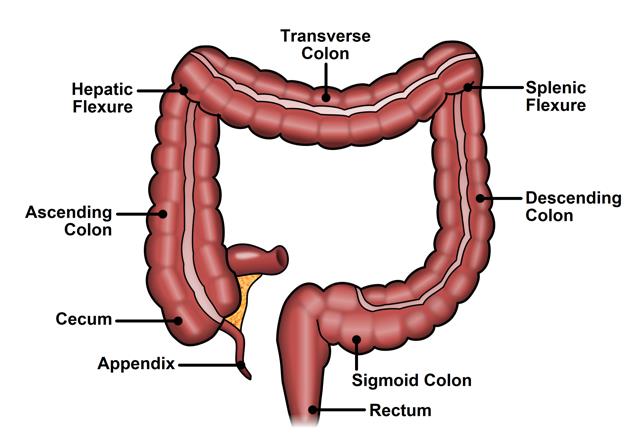
Picture each of those little segments contracting and relaxing in sequence to slowly move things along, until it gets dumped in the rectum, where it sits until you and it come to an understanding.
Bunch of muscles then move things around to get things lined up, since normally things rest in a way that helps keep things from just falling out. Anal sphincter also does this, but it's the difference between folding the chip bag closed, using a chip clip or both.
Once it's all lined up, it does that rolling squeeze again, takes off the chip clip and things proceed in a routine fashion.
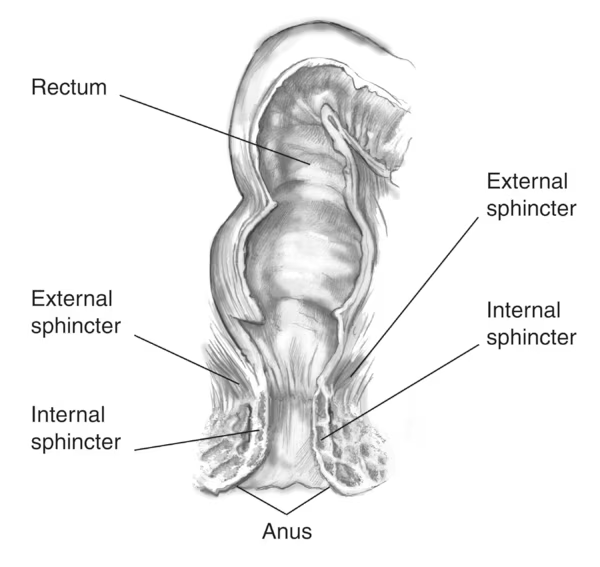
So if instead of what it's used to, it's dealing with something like a cucumber, it can end up with the end up around that curve at the top of the rectum.
The tapered inside near the anal sphincter means that when your vegetable goes in, the muscle can squeeze against the end and make the situation more of a commitment than people had planned for.
Once there, it can run into a few more hurdles. The muscles near the top can't really do anything but squeeze the sides. If it's not squishy and there's no angle, it's not going to be able to do anything because it just doesn't have the angle. Even if there is an angle, like your cucumber didn't go all the way, it's going to be squeezing at an awkward angle to try to push something inflexible through the opening in the stronger anal sphincter.
Usually the softness lets things find a way with some mutual give and take, but even normally things can get a bit firm and get some resistance that can be uncomfortable to work through.
Turns out I think I remember more of my anatomy and physiology classes than I thought.
We've actually figured out that that one is basically a "stutter" in your memory encoding system. Consciousness isn't as continuous as it feels, and so you can get a situation where your memory says it just put some stuff in working memory and consciousness thinks it means your current thoughts or observations. So you end up with a feeling of a past recollection of a current awareness. Because it's tagged "past" you can't do anything other than understand it to be in the past, even though you're actively experiencing it.
A related phenomenon is how you "always" wake up just before the loud noise. Even though you're asleep you still hear things and process audio. A loud noise happens and your audio processing tells you to wake up. Conscious you wakes up, creating that new memory, and then processes the noise that woke you.
Consciousness is a process that takes place over a duration, not an instant.