Reptiles and Amphibians

1112 readers
19 users here now

founded 4 years ago
MODERATORS
1


This was taken in late August while on a kayaking trip with friends. We spotted close to 20 Blanding's and painted turtles on this trip.

2


I've come across many baby snapping turtles this summer. I know many think they're assholes, but they just want to be left alone.

3


Abstract

The evolution of adaptive innovations carries strong eco-evolutionary implications, allowing organisms to explore novel ecological opportunities, which facilitates lineage diversification. The remarkable diversity of reproductive strategies in amphibians provides a natural laboratory for identifying ecological mechanisms driving evolutionary novelties. In viviparous salamanders, the transition from larviparous (i.e., live bearing of aquatic larvae) to pueriparous (i.e., live bearing of fully terrestrial juveniles) reproduction is hypothesized to represent an adaptation to the absence of water for larval deposition, in what is known as the dry-climate hypothesis. This work aimed to identify the ecological drivers of independent evolutionary transitions to pueriparity and test the dry-climate hypothesis.

Main Conclusions

Reproductive transitions to pueriparity in salamanders were consistently associated with scarcity of surface water driven by steep topography and karstic geology, providing the most unambiguous support for the dry-climate hypothesis to date and supporting convergent evolution of terrestrialisation in salamanders for most pueriparous lineages. Climatic, hydrological (i.e., soil moisture and vapour pressure deficit) and habitat factors appear to be comparatively less relevant drivers of reproductive shifts, yet may have played a role in specific transitions to pueriparity, especially at the intraspecific level. We also found key differences in the use of available habitat between reproductive modes, with pueriparity representing a more specialised strategy likely restricted to areas with strong selective pressure against aquatic breeding.

4
 
 
5


This is a recent article that describes some details on the reproductive biology of Bolitoglossa pandi. I found it interesting to see how the eggs are deposited as clutches among leaf litter.

The article also includes this nice image of Bolitoglossa hatchlings:

Bolitoglossa pandini hatchlings

6
 
 
7
1
submitted 3 months ago* (last edited 3 months ago) by lover_of_life@mander.xyz to c/herpetology@mander.xyz


Hey guys! I'm not a regular on Lemmy, in fact this is my first post. But i wanted to share that I made a Reptile/Bug/Amphibian Discord server, for people like us who are absolute nerds about them. I figure that the best place to find like minded people would be here, so yeah I hope you'll all join, and have a Blast! https://discord.gg/EfFTdzd9ft

8


9 month old beardie - our first. She enjoys spending time outside with us.

9
 
 
10


From what I've heard, African House Snakes are becoming a more popular pet. Does anyone have any experience with them?

11


cross-posted from: https://lemmy.world/post/32976483

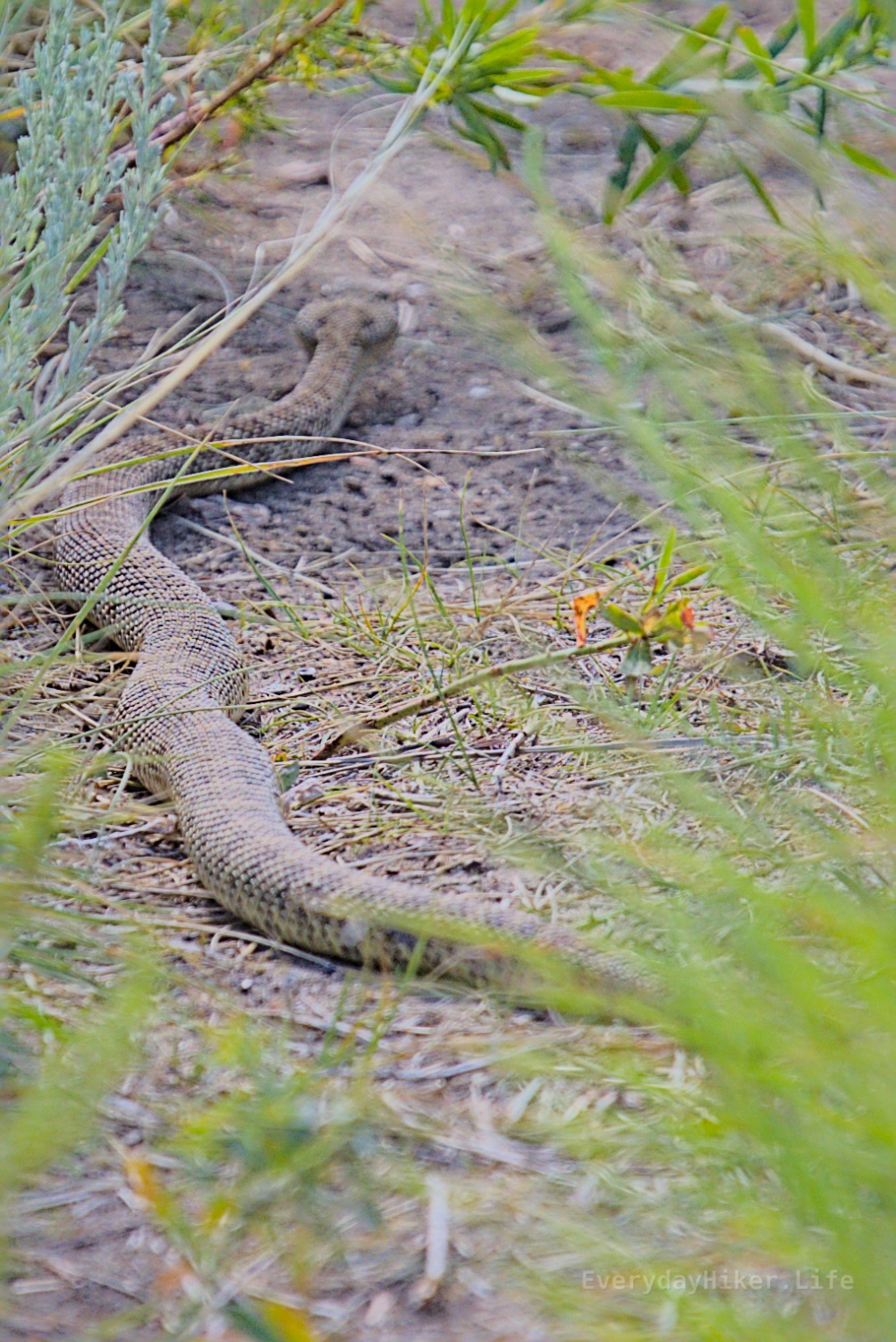
This one is from today, was pretty stoked to see it, after being pretty spooked to see it. Seen on the Petrified Forest Loop trail at Teddy Roosevelt NP. Was watching a bird that had taken iff and the next thing I knew it was giving me the heads up.

Another shot of the Prairie Rattlesnake still raised up but calming down.

Got a little to the side of the Rattlesnake as it calmed even more but remained partially raised up.

Another shot of the Prarie Rattlesnake moving along the trail. shortly thereafter it went to setup just off the trail and I moved along well off trail on the other side.

Couple videos on the Bluesky post of it slithering away along the trail.

12


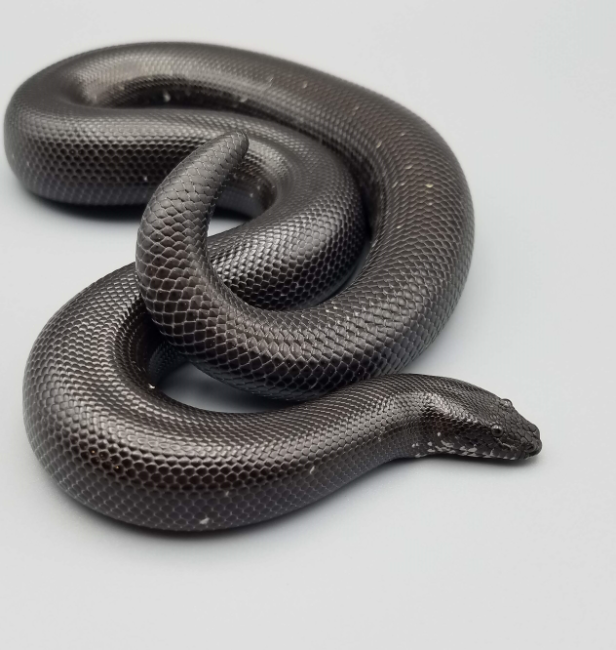
Does anyone have any experience dealing with Russian Sand Boas? I've heard that they are much more active than Kenyan Sand Boas and that Russian Sand Boas spend much less burrowing compared to Kenyans
13


A new species of salamander from Costa Rica, Bolitoglossa chirripoensis, has been described!
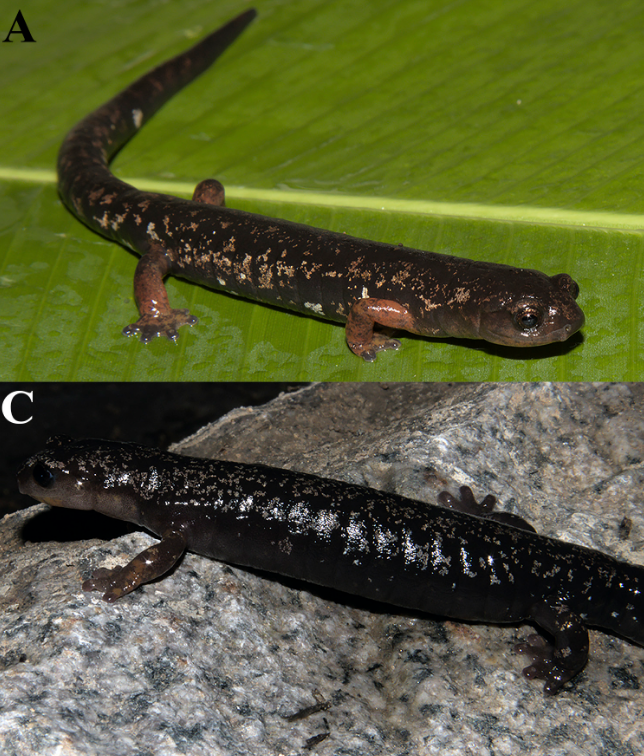
Two photos of the newly described salamander, Bolitoglossa chirripoensis

KLANK, JEREMY, et al. "A new species of salamander of the genus Bolitoglossa (Caudata: Plethodontidae) from the highest massif of the Cordillera de Talamanca, Costa Rica." Zootaxa 5642.5 (2025): 427-450.

Research Gate Link

14


Rana pyrenaica is considered as endangered because of its small habitat in the pyrenees. Additionally the known populations are seperated from each other due to loss of habitat. We searched for this little fellow around Ordesa and found it next to the hiking trail. There is a little stream, and they love the moving and oxygen rich water. The end of the hike was a big waterfall where we found egg clutches! Really happy about that as this was the first evidence of reproduction at this locality 🐸

15


During hiking to the Refugio Respomuso we found 7 of these venomous snakes directly on trail.

16


More pictures in the comments

17


There are a few people out there self-dosing with snake venom. The posted article is based on a study on the blood of one of these guys, Tim Friede, who has developed very effective antivenom in his blood after 20 years of self-dosing with a diverse array of snake venoms.

Vice did a few documentaries on Steve Ludwin, who is also self-immunizing. In one of these he answers questions about how he began and his motivation for doing what he does. In addition to producing anti-bodies he also believes that snake venoms have medicinal and anti-ageing properties - but these beliefs do not appear to be supported by any animal-based data as far as I can tell: https://www.youtube.com/watch?v=AcbqB0pFRPA

Self-dosing with snake venom is not something I would recommend. Generally a bad idea. But it is interesting to see the results and to learn about what motivates someone to do something like this.

18
 
 
19


In the northern hemisphere, at least. This little guy was kind enough to let me take a picture.

20
1
submitted 8 months ago* (last edited 8 months ago) by Kokolores@lemmy.world to c/herpetology@mander.xyz


Male Moor frogs turn blue during mating season. The one in the back is also a male, that is yet to get the blue colour.

Himmelmoor, Germany, April

Canon R7 + RF 100-400

21
1
submitted 8 months ago* (last edited 8 months ago) by Kokolores@lemmy.world to c/herpetology@mander.xyz


Lower Saxony, Germany, April

Canon R7 + RF 100-400

22


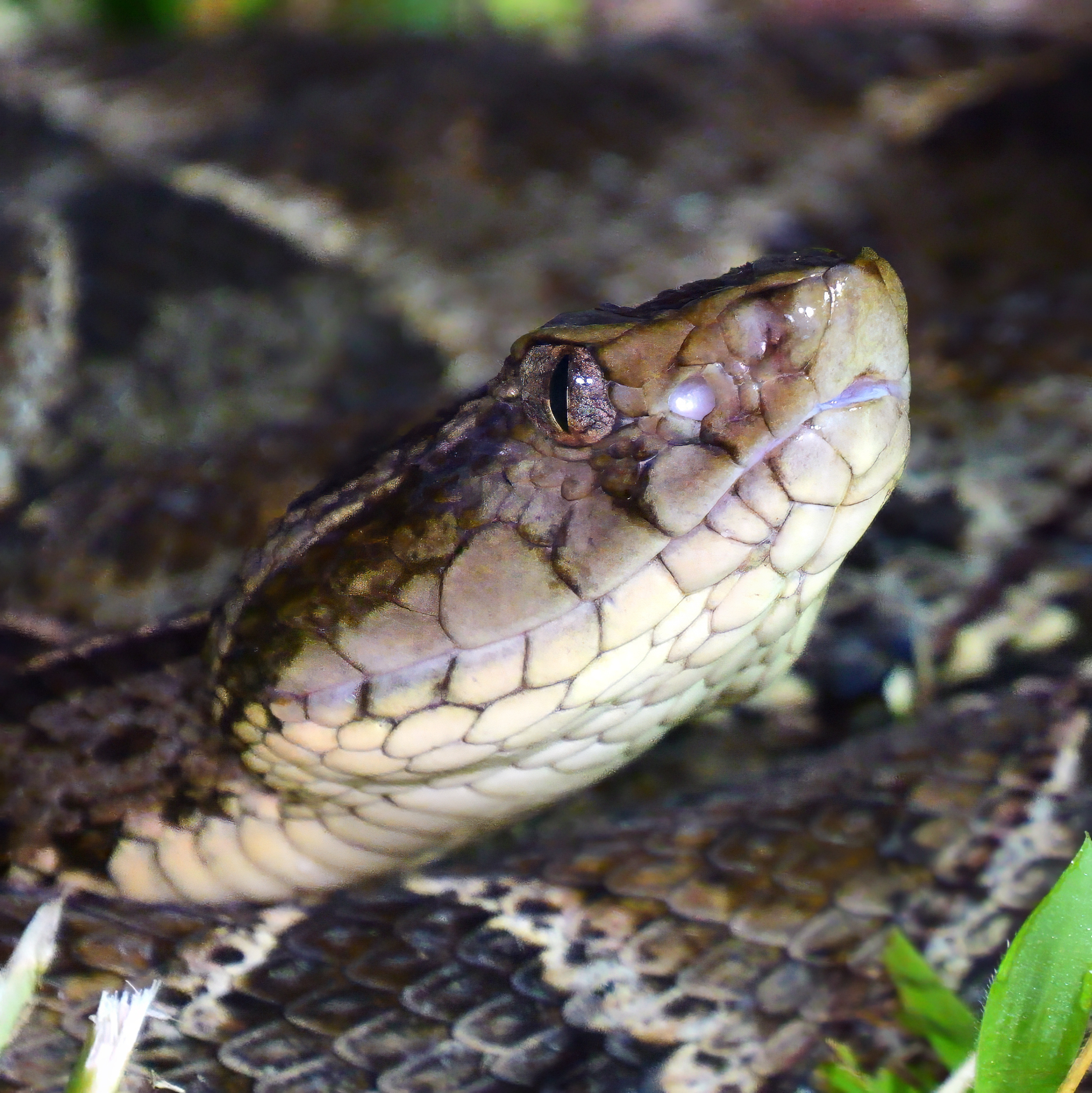
A fun species of snake at the reserve.
23


Abstract

Bolitoglossa digitigrada Wake, Brame and Thomas, 1982 was described from a few kilometers upstream from the Rio Santa Rosa, Ayacucho Region, Peru, at 1000 m a.s.l. in the Eastern Amazonian Montane Forest. Besides the type specimens, no additional collections or sightings of B. digitigrada had been reported for 43 years, and there is no information about its phylogenetic position inside its group. During a field expedition conducted in October 2022, we found four individuals of B. digitigrada in a corn and banana field near the community of San Jose, approximately 2.7 km from the type locality. Here, we provide information about living specimens, update description of coloration in life, elevation, and evaluate the phylogenetic relationships of B. digitigrada with a molecular phylogeny based on a 16S rRNA sequence.

24


Grumpy, dumpy, and gorgeous! I'm so lucky to have these nearby. They spend most of their lives underground but when it rains in October-November you can hear them call as they start to emerge.

25


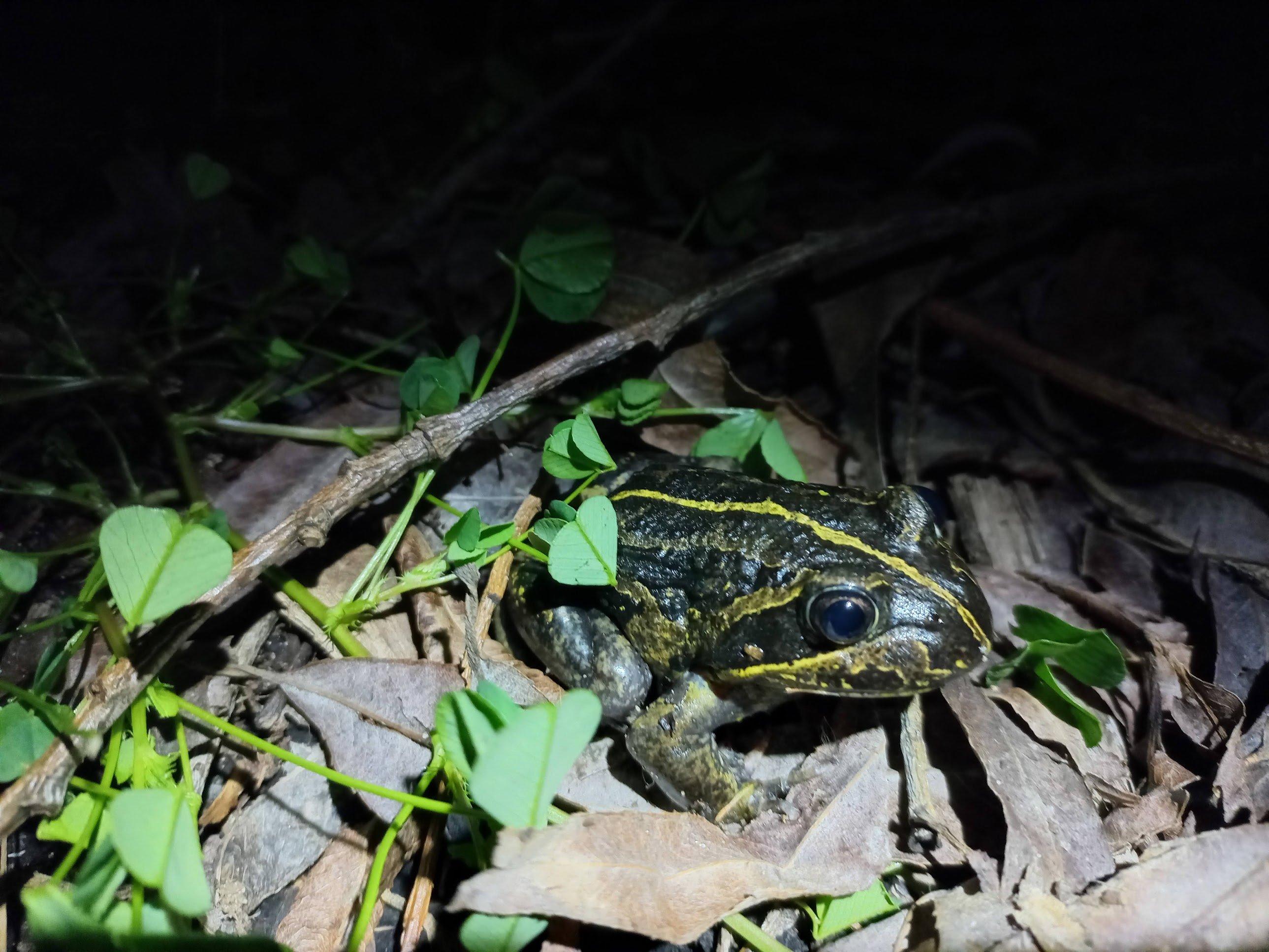
They get their name because their call sounds like a banjo! A commonly heard, but not often seen frog native to Southwest Australia. They spend a lot of their lives burrowed underground or under leaf litter.
view more: next ›